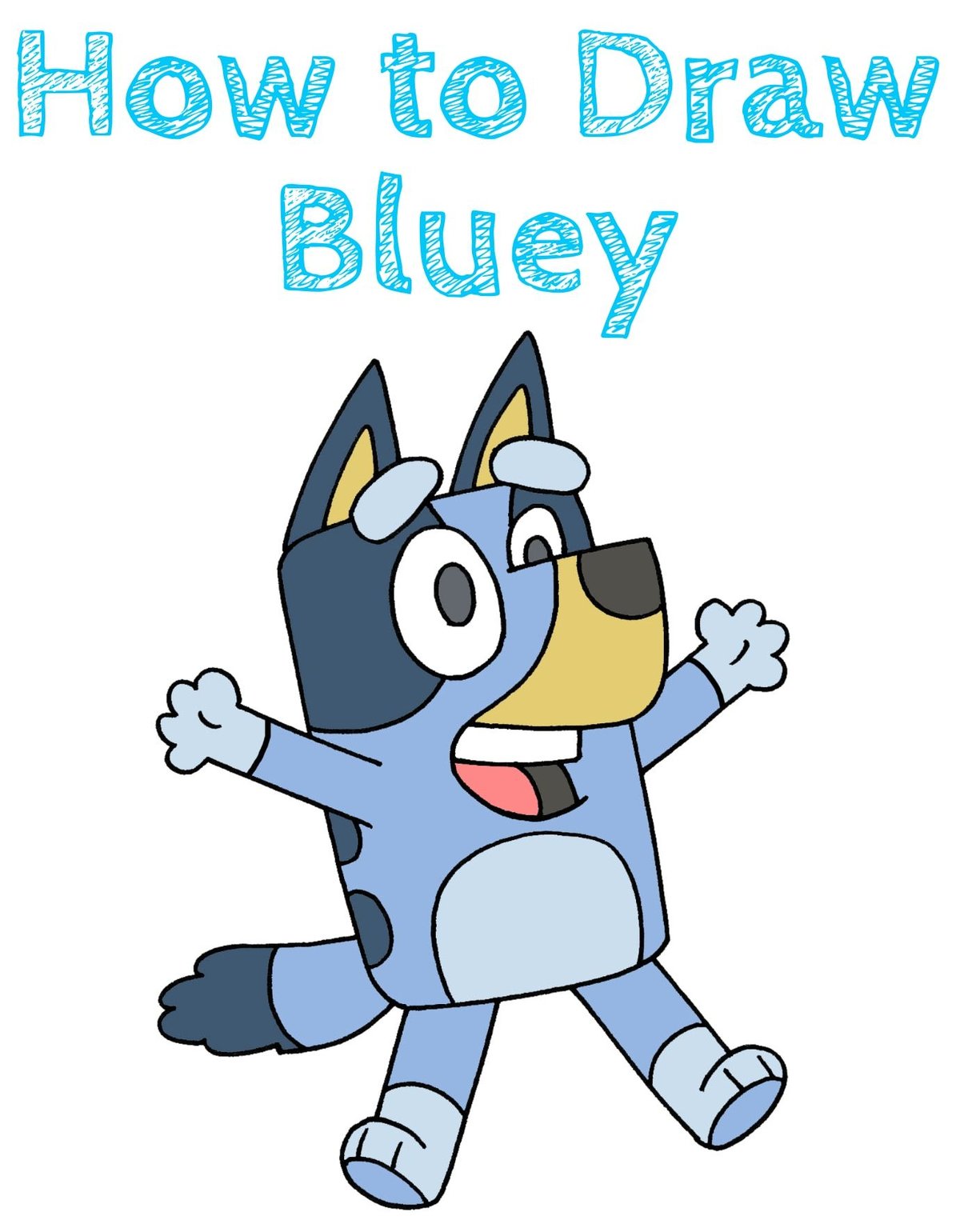
When you peel back the layers of a phenomenon like Bluey, you find not just a beloved children's show, but a masterclass in storytelling. The creative process and writing for Bluey don't just entertain; they distill essential narrative wisdom into digestible, engaging episodes. It’s a show that subtly teaches audiences, and more importantly, aspiring writers, how powerful simple, honest storytelling can be. From its deceptively straightforward plots to its deeply resonant emotional beats, Bluey offers a blueprint for crafting narratives that stick, regardless of your target audience.
At a Glance: Bluey's Storytelling Secrets
- "Wants vs. Needs" Core: Characters pursue external "wants" but ultimately discover internal "needs," driving profound growth.
- Dual Audience Genius: Expertly layers humor and themes to captivate both preschoolers and adults, expanding its reach.
- Emotional Authenticity: Tackles complex feelings with empathy and realism, making relatable scenarios out of everyday life.
- Improvisation & Play: Embraces a playful, spontaneous energy, mirroring the very nature of children's play and fostering creative flow.
- Practical Writing Lessons: Encourages writers to simplify, focus on internal conflict, and enjoy the creative journey rather than over-complicate.
- Educational Versatility: Applicable across various educational settings, from literature studies to rhetorical analysis, highlighting its rich thematic depth.
The Heart of the Story: Unpacking "Wants vs. Needs"
Every compelling story, whether it’s an epic fantasy or a seven-minute cartoon about a family of dogs, hinges on conflict. For Bluey, this conflict is often an elegant dance between a character’s "want" and their ultimate "need." It’s a foundational principle of screenwriting, stripped down to its most pure and impactful form.
Characters in Bluey begin an episode with a clear, often external "want." Bluey wants to avoid a chore. Bingo wants to play a specific game. Chilli wants a moment of peace. But the true genius of the writing lies in how the resolution subtly shifts this desire. The character doesn't just get their "want"; they often discover what they truly need – an internal truth, a shift in perspective, or a deeper understanding of themselves or their relationships. This journey from a superficial desire to a profound internal realization is what gives Bluey its emotional depth and enduring appeal.
Take, for instance, the Season 3 episode "Relax." Chilli, the ever-busy mum, desperately wants to reach the beach to unwind. It's her external goal, her "want" for the day. Yet, her journey is a comedy of delightful distractions, as Bluey and Bingo repeatedly interrupt her attempts at peace. When she finally makes it to the sand alone, the ironic twist hits: she can't relax. The external goal, the "want," has been achieved, but her internal "need" – true relaxation – remains elusive.
It’s only through Bandit’s gentle suggestion to emulate the girls’ carefree play that Chilli finds her rhythm. She learns that relaxation isn't a destination to be reached, but a state of being, found in appreciating the present moment, in the joyous chaos of family. Her initial "want" had actually impeded her happiness, while embracing her "need" allowed it to flourish. This isn't just a lesson for Chilli; it's a powerful narrative tool that fosters genuine character growth through a clear dilemma about what true happiness entails.
For writers, this "wants vs. needs" framework is invaluable. It’s a reminder to look beyond the surface plot. What does your protagonist think they want? And what profound internal shift do they actually need to undergo to achieve a deeper form of fulfillment? This approach naturally builds layers into your characters, making them feel real and their journeys impactful. It also suggests that sometimes, the most satisfying ending isn't the one where the hero gets exactly what they wanted, but where they gain something far more meaningful.
The Art of Speaking to Two Audiences at Once
One of Bluey's most celebrated achievements is its unparalleled ability to resonate with both its target demographic (children aged 4-7) and the adults who watch alongside them. This isn't accidental; it's a deliberate and sophisticated rhetorical strategy embedded in the creative process and writing for Bluey. The show communicates layered messages that land differently depending on the viewer's life experience.
For children, Bluey offers relatable scenarios: the frustration of a game gone wrong, the joy of imaginative play, the simple lessons of sharing or being kind. The humor is physical, the stakes are understandable, and the resolutions are comforting.
For adults, however, a parallel narrative unfolds. The jokes often carry a knowing wink about the realities of parenting, the exhaustion, the societal pressures, and the fleeting beauty of childhood. Parents see their own struggles and triumphs reflected in Chilli and Bandit, finding empathy and often, a much-needed laugh at the absurdity of everyday life with kids. The emotional beats, like Chilli's struggle to relax or Bandit's attempts to balance work and play, tap into universal adult experiences of identity, responsibility, and the search for meaning amidst chaos.
This dual-audience approach is a masterclass in communication. Writers looking to engage a broader readership can learn immensely from this. It's not about dumbing down content for one group or making it overly complex for another. Instead, it’s about crafting narratives with universal themes that can be interpreted on multiple levels. It asks writers to consider:
- What subtext can I weave in for a more mature audience?
- How can I make a simple concept resonate with deeper meaning?
- What elements will provide entry points for different perspectives?
By doing so, you don't just tell a story; you build a conversation that invites diverse groups to participate and find their own reflections within your narrative.
Bluey's Unscripted Magic: The Power of Play in the Creative Process
A significant part of Bluey's charm comes from its raw, improvised feel, often mirroring the unbridled, spontaneous nature of children's play. While the episodes are meticulously written and animated, the creative process behind them, particularly in the initial ideation and voice acting stages, embraces an element of improvisation. This allows for naturalistic dialogue, unexpected character beats, and a genuine sense of children exploring their world through games.
Joe Brumm, the creator, often emphasizes the importance of play in the show’s development. This isn't just a thematic choice; it's a methodological one. The voice actors, especially David McCormack (Bandit) and Melanie Zanetti (Chilli), are given considerable freedom to improvise and react, bringing an authentic parent-child dynamic to life. This looseness translates into dialogue that feels organic, not overly polished, and character interactions that are genuinely endearing. You can delve deeper into his creative insights when you Explore all things Joe Brumm.
For writers, this offers a potent lesson: don't be afraid to play. Over-plotting, over-structuring, and striving for perfection can often stifle creativity. Sometimes, the best ideas emerge when you allow yourself to free-write, brainstorm without judgment, or even "act out" scenes in your head (or aloud!). Embrace the messiness of the first draft. Let your characters surprise you. This "playful" approach to writing often unlocks more genuine emotion, more believable dialogue, and more surprising plot twists than rigidly adhering to an outline.
Think of "Rain," a wordless episode that relies entirely on music and visuals to tell a poignant story of Bluey trying to divert floodwaters. This episode is a testament to trusting the creative process, allowing visual storytelling and sound design to carry the weight. It's a bold choice that pays off, demonstrating that powerful narratives don't always need exposition-heavy dialogue. Sometimes, less is truly more, and trusting the inherent drama of a simple situation can be profoundly effective.
Beyond Entertainment: Bluey in the Classroom
While Bluey is undoubtedly entertaining, its rich narrative structure and thematic depth make it an surprisingly robust educational tool. Educators are increasingly recognizing its potential to teach complex concepts, from literary analysis to rhetorical strategies, in an accessible and engaging way.
Literature Studies: The Hero's Journey, Demystified
Concepts like The Hero’s Journey, typically explored through ancient epics or classic novels, can feel daunting to young students. Bluey offers a low-stakes, relatable entry point. Episodes like "Bingo" (where Bingo tries to find her voice at school) or even "The Weekend" (where Bluey and Bingo try to get Bandit to play with them) contain microcosms of the hero's journey.
- The Call to Adventure: The desire for a new game, a specific toy, or a challenge.
- Refusal of the Call: Bandit is "too busy," or a game is too hard.
- Meeting the Mentor: Often Bandit or Chilli, offering guidance or a different perspective.
- Trials and Tribulations: The challenges within the game, the disagreements, the emotional hurdles.
- The Ordeal: The peak conflict, the moment of potential failure.
- The Reward: The successful game, the lesson learned, the closer bond.
- The Return: The new understanding applied to their daily lives.
By analyzing these simple arcs, students can grasp the universal patterns of storytelling, preparing them for more complex literary texts down the line. It teaches them to identify plot structure, character motivation, and thematic development in a context they genuinely enjoy.
Rhetorical Analysis: Deconstructing Messages for Dual Audiences
For high school students, especially those in AP Language and Composition, analyzing how Bluey conveys layered messages to its dual audiences is an excellent exercise in rhetorical analysis.
- Ethos (Credibility): How do the characters of Bandit and Chilli establish credibility as relatable parents? How does the show build trust with its audience?
- Pathos (Emotion): How does the show evoke empathy for both children's frustrations and adults' exhaustion? What emotional appeals are used in specific scenes?
- Logos (Logic): While not explicitly logical arguments, how do the show's scenarios present "logical" outcomes based on the internal rules of the game or the realities of family life?
- Audience Awareness: How does the dialogue or visual humor cater simultaneously to a 4-year-old and a 40-year-old? What rhetorical choices facilitate this?
This practice helps students develop critical skills in analyzing rhetorical strategies, identifying transitions in ideas, and maintaining paragraph cohesion in their own writing. It’s a "low-stakes formative assessment" that feels less like a chore and more like an engaging dissection of pop culture.
Thematic Discussion: Exploring Modern Life Through Canine Lenses
Bluey doesn't shy away from complex themes, making it an ideal springboard for thematic discussions.
- Gender Roles & Parenting: Examine changes in women’s roles through Chilli, a working mum who still navigates the demands of childcare. Expand this to fathers by looking at Bandit, who challenges traditional notions of masculinity with his active, playful, and often stay-at-home parenting style. This can lead to broader discussions about societal pressures and evolving family dynamics.
- Perfectionism & Growth Mindset: Episodes like "Perfect" and "Stories" directly address the struggles of wanting things to be just right and the importance of embracing mistakes and learning from them. This is particularly relevant for students facing academic pressure.
- Friendship & Growing Up: "Camping" beautifully explores the bittersweet nature of childhood friendships and the pain of growing up, introducing concepts of transience and connection that resonate deeply.
- Abstract Thinking & Symbolism: "Rain," a wordless episode, is perfect for AP Lit students to explore themes purely through music, visual metaphor, and character action. How does the imagery convey Bluey's determination, the power of nature, or the feeling of overcoming a challenge without a single line of dialogue?
These discussions allow students to practice articulating abstract ideas, developing their critical thinking, and connecting fictional narratives to real-world issues.
Crafting Impactful Narratives: Practical Lessons from Bluey's Writing Room
The simplicity of Bluey belies its profound impact. For any writer, regardless of genre or medium, there are fundamental lessons to be gleaned from the show’s creative approach.
1. Embrace the "Small" Story
Not every story needs to be an epic quest to save the world. Bluey thrives on the "small" moments: a trip to the dump, a game of keepy-uppy, a quiet chat on the porch. These micro-narratives often hold the most universal truths. Focusing on a small, contained dilemma allows for deeper character exploration and more authentic emotional beats. It teaches writers that the drama isn't always in grand events, but in the internal lives of characters reacting to everyday challenges.
2. Prioritize Character Authenticity Over Plot Twists
Bluey's characters feel real because their reactions, flaws, and joys are so relatable. Bandit is often lazy but loving; Chilli is patient but occasionally exasperated; Bluey is imaginative but can be stubborn; Bingo is gentle but sometimes struggles to be heard. Their consistency and authenticity make their journeys compelling. As writers, investing in well-rounded characters whose motivations are clear and whose flaws are evident will always be more impactful than relying on convoluted plots or cheap twists. Let your characters drive the story, rather than forcing them into predetermined plot points.
3. Show, Don't Just Tell – Especially with Emotion
Bluey is a masterclass in visual storytelling and demonstrating emotion without heavy exposition. A sigh, a glance, a specific piece of body language, or a musical cue often convey more than pages of dialogue could. When Chilli feels overwhelmed, it’s not always stated; it's shown in her slumped shoulders or hurried breathing. When Bandit feels silly, it's evident in his exaggerated movements.
For writers, this means:
- Use active verbs and vivid descriptions. Instead of "she was sad," try "her shoulders slumped, and her gaze fixed on the scuffed toe of her shoe."
- Employ dialogue that reveals character and moves the plot, not just states information.
- Trust your reader to infer. Give them clues, not lectures.
4. Inject Humor and Lightness, Even with Serious Themes
Bluey tackles topics like loneliness, disappointment, and the challenges of growing up, but it always does so with an undercurrent of humor and joy. This lightness makes potentially heavy themes digestible and accessible. For writers, this means understanding the power of contrast. A moment of levity can make a subsequent serious moment hit harder, and humor can provide much-needed relief without undermining the gravity of a situation. It makes your narrative more dynamic and keeps readers engaged.
5. Structure Your Story for Clarity and Impact
Despite its playful nature, Bluey episodes follow a clear structure:
- Setup: A problem or "want" is introduced.
- Inciting Incident: The game begins, or the conflict escalates.
- Rising Action/Complications: Obstacles arise, character interactions complicate the goal.
- Climax: The peak of the conflict or game.
- Resolution: The game ends, the lesson is learned, the "need" is fulfilled.
This simple yet effective structure ensures that every episode feels complete and satisfying. Writers can use this as a basic template for short stories, scenes, or even individual chapters, ensuring that each narrative unit has a clear purpose and trajectory. Don't overcomplicate your basic structure; clarity often leads to greater impact.
Overcoming Writer's Block, The Bluey Way
One of the most persistent challenges for any writer is the dreaded writer's block. Bluey's philosophy, particularly the emphasis on play and authenticity, offers some unconventional but highly effective antidotes.
Ditch Perfectionism, Embrace the Messy First Draft
The episode "Perfect" tackles this head-on, showing Bluey's frustration when her drawing isn't exactly "perfect." The lesson: sometimes, good enough is perfect, and the joy is in the creation, not just the flawless outcome. For writers, this means liberating yourself from the pressure of a perfect first draft. Let it be messy, imperfect, and full of mistakes. The goal of the first draft is to get the story down; editing is for refinement. Overthinking and trying to polish every sentence as you go can halt your flow entirely.
Focus on Enjoying the Process, Not Just the Destination
Chilli’s journey in "Relax" is a powerful metaphor for the writing process itself. Many writers "want" to finish the book, to achieve publication, to see their name in print. But if the journey of writing is filled with dread, anxiety, and a constant focus on the end goal, the process itself becomes joyless. Bluey reminds us that true satisfaction often comes from being present in the moment, appreciating the small victories, and finding joy in the act of creation itself.
- Set small, achievable goals: Write for 15 minutes. Finish one paragraph. Outline one scene.
- Celebrate mini-milestones: Completing a chapter, reaching a word count, or solving a tricky plot problem.
- Remember why you write: Reconnect with the passion that sparked your initial idea.
By shifting focus from the overwhelming "want" of a finished product to the present "need" of enjoying the creative journey, you can cultivate a more sustainable and fulfilling writing practice.
Look for Stories in the Everyday
Bluey demonstrates that compelling narratives are all around us. The mundane can become magnificent with a dash of imagination. A trip to the grocery store, a rainy afternoon, a sibling squabble—these are the fertile grounds for Bluey's stories. Writers often feel pressured to invent grand, unique plots. Instead, try mining your own experiences, observations, and the simple realities of life for inspiration. What small dilemmas did you face today? What conversations sparked a thought? How can a simple object become the catalyst for a grand adventure in a child's mind? This approach not only provides an endless well of ideas but also ensures that your stories resonate with genuine, relatable human (or canine) experience.
The Enduring Legacy of Bluey's Storytelling Principles
The creative process and writing for Bluey are far more than just techniques for a children’s show; they are fundamental principles of effective communication and powerful narrative construction. By prioritizing emotional honesty, embracing the delicate balance of "wants vs. needs," mastering the art of the dual audience, and celebrating the joyous spirit of play, Bluey has carved a unique space in the cultural landscape.
For writers, educators, and anyone interested in the craft of storytelling, Bluey serves as an extraordinary teacher. It gently reminds us that the most impactful stories are often the simplest, the most authentic, and the ones that dare to find profound meaning in the everyday. Its enduring popularity isn't just a testament to good animation; it's a testament to timeless storytelling principles, brilliantly executed, that connect us all through shared human experience. So, next time you watch an episode, pay close attention—you might just discover your next big writing lesson.