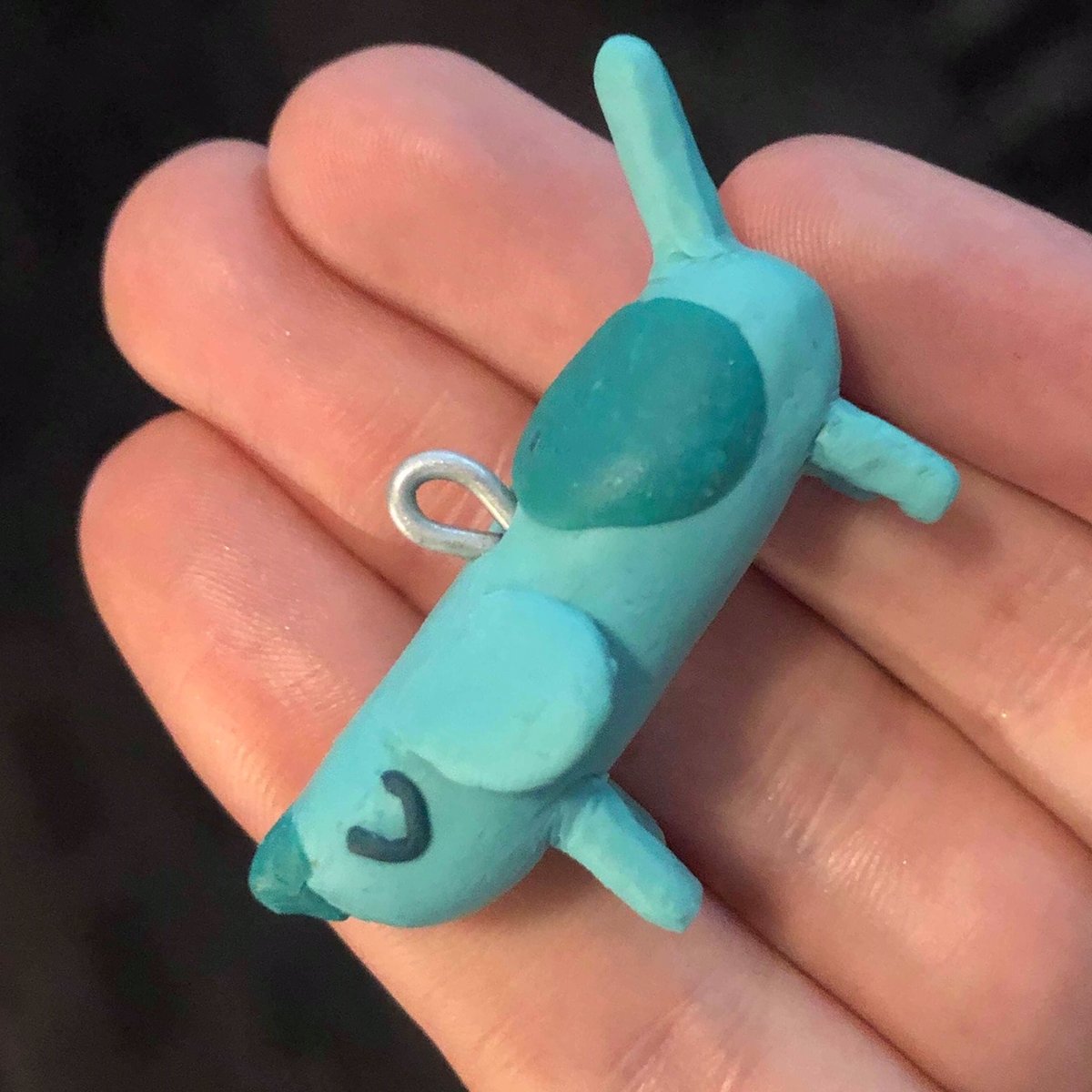
In a landscape often populated by bright colors and simple narratives, an Australian blue heeler family has quietly, yet profoundly, redefined what children's animation can be. Joe Brumm's influence on children's animation, particularly through his groundbreaking series Bluey, isn't just about captivating young audiences; it's about setting a new, higher bar for emotional intelligence, authentic family dynamics, and the sheer power of imaginative play on screen. This isn't just another cartoon; it's a cultural phenomenon that has shifted expectations for parents, educators, and creators worldwide.
At a Glance: The Bluey Effect
- Authentic Storytelling: Bluey draws directly from creator Joe Brumm's real-life experiences as a father, grounding its narratives in relatable family scenarios and children's imaginative play.
- Emotional Depth: The show masterfully balances humor with poignant moments, exploring complex themes like work-life balance, attention deficit issues, and inclusivity in an accessible way.
- Global Phenomenon: Despite its distinctly Australian roots, Bluey has achieved immense international success, becoming one of the most streamed shows in the U.S. and earning critical acclaim.
- Redefining Preschool Content: It demonstrates that children's programming can be both entertaining for kids and genuinely enjoyable and insightful for adults, fostering intergenerational viewing.
- Commercial Powerhouse: Beyond critical success, Bluey has spawned a massive merchandise empire, best-selling books, and a touring stage show, with a feature film on the horizon.
The Brumm Blueprint: Rewriting the Rules of Children's TV
Before Bluey burst onto screens, children's animation often followed well-trodden paths: educational segments, slapstick comedy, or fantastical adventures with clear moral lessons. While effective in their own right, these approaches rarely delved into the nuanced, often messy, and deeply joyful reality of family life with the authenticity that Joe Brumm would later champion.
Brumm, a Queensland native, honed his craft at Griffith University before moving to London to work on acclaimed series like "Charlie and Lola." This international experience, combined with his artistic background, clearly laid the groundwork for his unique vision. But the true catalyst for Bluey came from a much more personal place: his own experiences as a father to two imaginative young daughters. It was in observing their intricate, often nonsensical, but always meaningful games that Brumm found his muse. He saw the profound learning, emotional processing, and social development embedded within their make-believe worlds.
When Bluey debuted on ABC Kids in Australia on October 1, 2018, produced by Ludo Studio in Brisbane with support from Screen Australia and BBC Studios, it wasn't immediately apparent that it would become a global sensation. What quickly became clear, however, was its refreshing departure from the norm. Instead of focusing on overt lessons, Bluey immersed viewers in the everyday life of the Heeler family: seven-year-old Bluey, her five-year-old sister Bingo, their archeologist dad Bandit, and part-time airport security mum Chilli. The narratives, directly inspired by Brumm's observations, are not about grand adventures, but about the micro-dramas and immense joys found in backyard play, laundry day, or a trip to the park.
This commitment to grounding the fantastical in the familiar is a cornerstone of Brumm's influence. He proved that you don't need magic wands or talking animals (beyond, well, talking dogs) to create truly enchanting and impactful children's content. You just need to look closely at the magic that already exists in childhood.
Beyond Cartoon Characters: Crafting Relatable Family Life
One of the most striking aspects of Joe Brumm's work, and the primary driver of Bluey's universal appeal, is its unflinching commitment to relatability. The Heeler family isn't perfect; they're wonderfully, gloriously flawed and authentic. Bandit, voiced by David McCormack, is a loving but often exasperated dad who sometimes cheats at games, or struggles to get his kids out the door. Chilli, voiced by Melanie Zanetti, juggles work and motherhood with grace but also shows moments of fatigue and frustration. These aren't idealized parents; they are reflections of real parents, trying their best. This nuance is revolutionary in children's television.
The show tackles a remarkable range of themes, often with a subtle touch that allows children to absorb lessons and adults to appreciate the underlying complexity. Think about episodes that explore:
- Work-Family Balance: Chilli's return to her part-time job, Bandit's archaeological pursuits, and how these impact family time are handled with sensitivity.
- Emotional Regulation: Bluey and Bingo frequently navigate feelings of frustration, sadness, and excitement, with their parents guiding them through understanding and expressing these emotions.
- Attention Deficit Issues: Some episodes subtly touch on challenges related to focus and impulsivity, fostering empathy and understanding.
- Inclusivity and Diversity: The show naturally integrates characters with different abilities and backgrounds, even featuring Auslan (Australian Sign Language) in some instances, modeling acceptance and broad perspectives.
Crucially, these themes are never presented as heavy-handed "morals of the story." Instead, they emerge organically from the imaginative play that forms the heart of each episode. A game of "Shadowlands" might inadvertently teach about the importance of compromise, while "Keepy Uppy" could highlight persistence. This approach respects the intelligence of both children and parents, trusting them to glean meaning from the interactions rather than being spoon-fed.
Brumm's genius lies in his ability to translate the chaotic beauty of childhood into digestible, emotionally resonant narratives. The Heeler family home itself, based on Brisbane's iconic Queenslander-style houses, adds another layer of lived-in authenticity, seamlessly blending the fictional with the familiar for Australian audiences, while offering a charming window into Australian life for international viewers. The fact that episodes are fact-checked for parenting realism further underscores this dedication to verisimilitude.
The Power of Play: How Bluey Elevates Imagination
At its core, Bluey is an ode to imaginative play. Every episode hinges on a game, invented on the fly by Bluey and Bingo, often roping in their parents. From "Magic Claw" to "Grannies," these games are not just plot devices; they are the very engine of the show's emotional and narrative development. This focus on the transformative power of play is perhaps the most significant aspect of Joe Brumm's influence.
Brumm understands that play isn't just a frivolous pastime for children; it's how they learn about the world, test boundaries, practice social skills, and process complex emotions. By showcasing diverse forms of play—role-playing, gross motor games, quiet imaginative scenarios—Bluey offers practical guidance and inspiration for parents looking to engage with their own children. It subtly encourages:
- Problem-solving: Kids (and adults) are constantly presented with mini-challenges within the games that require creative solutions.
- Emotional development: Playing out scenarios helps children understand different perspectives and cope with wins, losses, and frustrations.
- Social skills: Negotiation, compromise, and cooperation are constantly practiced within the framework of play.
- Bonding: The show powerfully illustrates how engaging in play strengthens family ties and creates lasting memories.
For parents, Bluey isn't just entertainment; it's a masterclass in how to meaningfully interact with children through play. It offers concrete examples, frameworks even, for how to extend a game, respond to a child's imaginative prompt, or gently guide play toward a resolution. You see Bandit and Chilli consistently drop into their children's world, often with enthusiasm, sometimes with a sigh, but always with love. This practical demonstration of active, engaged parenting resonates deeply with viewers who are often seeking ways to connect more profoundly with their kids.
A Global Phenomenon with Local Roots: Australian Storytelling Goes Worldwide
Despite its deeply Australian flavor—from the Queenslander architecture to the use of Auslan and the native fauna—Bluey has achieved staggering international success. Its distribution via platforms like Disney+ transformed it from a local hit into a global sensation. In 2023, it was the second most streamed show in the United States, logging an astonishing 43.9 billion viewing minutes. This isn't just popular; it's dominant.
The show's ability to transcend cultural barriers speaks volumes about the universal appeal of its core themes: family, love, and play. While the specific setting is Australian, the challenges and joys of raising young children, the dynamics of a loving partnership, and the sheer delight of imaginative play are experiences shared across cultures. Joe Brumm proved that authentic storytelling, regardless of its specific origin, can resonate globally if it taps into fundamental human experiences.
This widespread acclaim is backed by significant awards, including an International Emmy Kids Award for Best Preschool Program in 2019, multiple Logie Awards (Australia's equivalent of the Emmys), and ARIA Music Awards for its catchy, cleverly composed soundtrack. The show has garnered high-profile fans and even contributors, with figures like Natalie Portman and Lin-Manuel Miranda publicly expressing their admiration or lending their voices.
Commercially, the "Bluey effect" is equally pronounced. Beyond streaming numbers, the brand has expanded into a massive range of merchandise. Bluey-themed cereals were introduced in Australia in 2021, and the toy line and picture books have become consistent bestsellers. The theatrical adaptation, "Bluey's Big Play," has toured internationally to sold-out crowds, demonstrating the immersive power of the brand beyond the screen. This commercial success is not just a byproduct of popularity; it's a testament to the deep emotional connection audiences have formed with the Heeler family, driven by Brumm's vision. To Learn more about Joe Brumm and his journey, consider exploring interviews and documentaries about his creative process.
The Production Magic: Behind the Scenes of a Beloved Series
While Brumm's vision is the guiding star, the execution of Bluey is a masterclass in animation and sound design. Ludo Studio in Brisbane brings the vibrant world of the Heelers to life with an animation style that is both expressive and inviting. The choice to have Bluey and Bingo voiced by uncredited children of the production team is a subtle but significant detail that adds to the show's authenticity and helps protect the young voice actors' privacy. This decision ensures that the children's voices sound genuinely childlike, capturing the spontaneous exclamations and inflections that can be harder for adult voice actors to replicate.
The show's music, often overlooked in children's programming, is another area where Bluey shines. Composed by Joff Bush, the soundtrack is rich with playful melodies, classical influences, and clever nods to Australian culture. The music doesn't just accompany the action; it enhances the emotional beats, adding another layer of sophistication to the storytelling. This attention to detail across all production elements contributes significantly to the show's overall quality and its ability to captivate both young and old viewers.
Addressing Common Questions About Bluey's Impact
Is Bluey just for kids, or do adults enjoy it too?
Absolutely for both! While targeted at preschoolers, Bluey is renowned for its layers of humor and poignant moments that resonate deeply with adults. Parents often find themselves relating to Bandit and Chilli's parenting struggles and triumphs, appreciating the clever writing and emotional depth that elevates it beyond typical children's fare. Many describe it as one of the few children's shows they genuinely enjoy watching with their kids.
How does Bluey manage to be both culturally specific and universally appealing?
Bluey masterfully weaves in Australian cultural elements, from its Queenslander architecture to native wildlife and even the inclusion of Auslan. However, its core themes of family love, the challenges of parenting, and the joy of imaginative play are universal. These fundamental human experiences transcend geographical and cultural boundaries, allowing audiences worldwide to connect with the Heeler family despite their distinctly Australian setting.
Does Bluey have a hidden educational agenda?
While Bluey doesn't explicitly preach educational lessons like some children's shows, it's rich with embedded learning opportunities. Through imaginative play, characters develop problem-solving skills, emotional intelligence, social negotiation, and empathy. The show encourages creative thinking and models positive family interactions, making its educational impact profound, yet organic and never forced.
What makes the Heeler family dynamics feel so real?
The authenticity stems directly from Joe Brumm's personal experiences as a father. Many storylines are based on his observations of his own daughters' imaginative play and the real-life dynamics within his family. The decision to fact-check episodes for "parenting realism" further ensures that the challenges, joys, and quirks of the Heeler family feel genuinely relatable to parents everywhere.
What's Next for the Bluey Universe and Brumm's Legacy
The success of Bluey shows no signs of slowing down. With a feature film announced for release in 2027, the world of the Heeler family is set to expand onto the big screen, promising even grander adventures and deeper dives into their beloved lives. This move signifies not just the commercial power of the brand, but its enduring cultural relevance and the creative team's confidence in its storytelling potential.
Joe Brumm's legacy in children's animation is already firmly cemented. He has demonstrated that:
- Authenticity trumps artifice: Real-life inspiration, even for a show about talking dogs, resonates far more deeply than fabricated scenarios.
- Emotional depth is not just for adults: Children's programming can explore complex emotions and nuanced themes without being didactic or overwhelming.
- Play is paramount: By elevating imaginative play to the central narrative device, Brumm highlights its critical role in child development and family bonding.
- Local can be global: A show rooted in a specific cultural context can achieve universal appeal by focusing on shared human experiences.
His influence extends beyond the immediate success of Bluey. He has opened doors for other creators to explore more nuanced, parent-friendly children's content, pushing the industry towards higher standards of writing, emotional intelligence, and genuine relatability.
Embracing the Bluey Effect in Your Own Home
Joe Brumm's impact isn't just something to admire from a distance; it's an invitation to reconsider how we engage with children and with children's media. If Bluey has taught us anything, it's that the greatest adventures often unfold in the living room, the backyard, or even just waiting for the kettle to boil.
Here’s how you can embrace the spirit of Joe Brumm's influence:
- Prioritize Imaginative Play: Take a cue from Bandit and Chilli. When your child invites you into their imaginary world, jump in. Even five minutes of engaged play can be incredibly enriching for both of you. Don't worry about being perfect; just be present.
- Look for the Lessons in Everyday Life: Like Brumm, observe your children. What are they learning through their games? What challenges are they working through? Recognize that the "boring" moments can be just as profound as the "exciting" ones.
- Embrace Imperfection: Remember that Bandit and Chilli aren't perfect parents, and that's okay. They make mistakes, get tired, and sometimes struggle. Bluey reminds us that good parenting isn't about flawlessness, but about showing up with love and trying your best.
- Seek Out High-Quality Media: Use Bluey as a benchmark. Look for other children's shows that offer emotional depth, genuine humor, and respect the intelligence of their audience, both young and old.
Joe Brumm has shown us that children's animation can be more than just a distraction; it can be a mirror reflecting the joyous, messy, and deeply loving reality of family life, inspiring us all to play a little more, laugh a little louder, and connect a little deeper. The new standards he's set are not just for animators, but for families everywhere.